
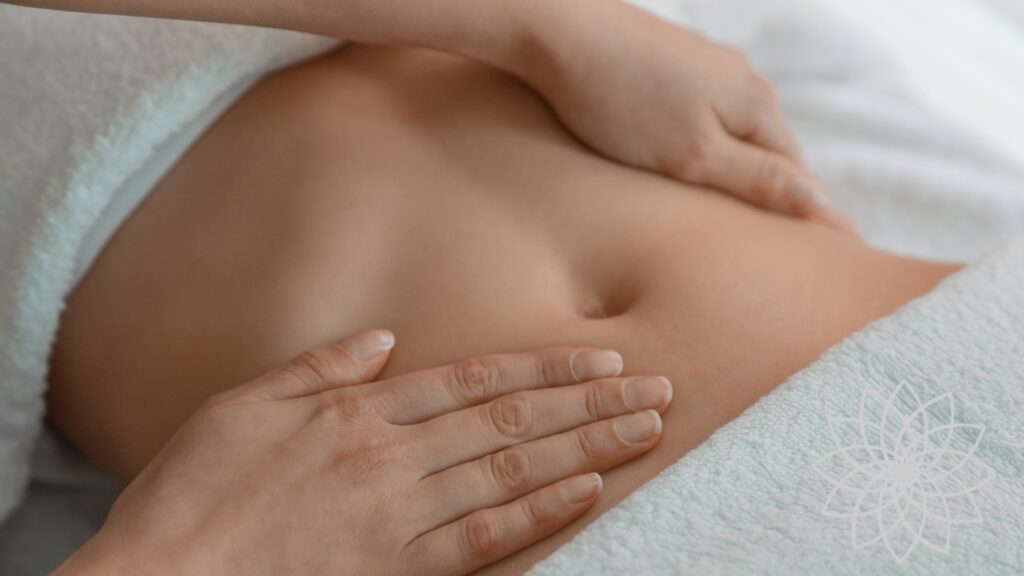
The real reasons behind puffiness, bloating, and fluid retention — and how your body is actually trying to protect you
If you’ve ever looked in the mirror and felt suddenly “puffy”, heavy, or like your body has changed overnight — you’re not imagining it. And more importantly, it’s not always about food or calories like most people assume.
Fluid retention is one of the most misunderstood things in the body. And once you understand what’s actually going on underneath the surface, everything starts to make a lot more sense.
It’s not just about what you eat
Yes, food can play a role — especially high salt intake or processed meals — but it’s only one piece of the puzzle.
Many people are surprised to learn that fluid retention is often influenced far more by:
- Your lymphatic system
- Stress levels
- Hormones
- Inflammation
- How much you move your body
So when someone says, “I just need to clean up my diet”, that alone often doesn’t fully resolve the feeling of puffiness or bloating.
Your lymphatic system is the real key
Your lymphatic system is responsible for clearing excess fluid, waste, and toxins from your body.
But here’s the important part — it doesn’t have a pump like your heart.
It relies on movement, breathing, muscle contraction, and circulation to keep things flowing.
So if you’re:
- Sitting for long periods
- Stressed and tense
- Not moving much day-to-day
- or recovering from inflammation or treatment
…it can slow down.
When lymph flow slows, fluid can start to collect in areas like:
- Arms
- Stomach
- Thighs
- Face
- Lower legs
This is often what people describe as “feeling bloated” or “not like themselves”.
Stress changes how your body holds fluid
This is something most people don’t realise.
When your body is under stress, it produces more cortisol — a hormone that can influence:
- Water retention
- Digestion
- Inflammation levels
- Fat storage patterns
So even if your diet hasn’t changed, your body can feel completely different during busy or stressful periods.
It’s not just physical — your nervous system plays a huge role in how your body functions day to day.
Inflammation slows everything down
Inflammation doesn’t always show up as something obvious.
Sometimes it presents as:
- puffiness
- heaviness
- sluggishness
- slower recovery after exercise or treatments
- skin that feels less clear or “flat”
When inflammation is present, the body naturally holds onto more fluid as part of its protective response.
Why movement matters more than people think
One of the simplest ways to support fluid balance is movement — but not just intense exercise.
Even gentle, consistent movement helps:
- activate lymph flow
- improve circulation
- reduce stagnation
- support natural drainage
This is why people often feel lighter after walking, stretching, or body-based treatments — it literally helps things move again.
Supporting the body, not fighting it
At Body Sculpt Perth, we see this all the time — people come in feeling like their body has “changed”, when really it’s often a combination of fluid retention, stress, and slowed lymphatic flow.
The goal isn’t to force the body into something extreme.
It’s about supporting it back into balance so it can do what it already knows how to do naturally — release, regulate, and restore.
Final thought
If your body ever feels like it’s holding onto more than usual, it’s not just about willpower or dieting harder.
More often than not, it’s your body asking for better flow — better movement, better recovery, and better support.
And when you start addressing that underneath layer, everything else tends to feel a lot easier.